
We Deliver Comfort

The dining area in most family homes works overtime. It's where weeknight spaghetti happens, where kids spread out art projects with glitter glue, and where someone inevitably sets up a laptop during work-from-home days. Research shows that less than 30% of American families gather around the dinner table daily for meals, but when they do, the space becomes a critical hub for connection, conversation, and the occasional homework crisis.
This means your dining room furniture needs to handle real life, not just look pretty for holiday photos. The goal here isn't to showpiece furniture that makes guests gasp. It's finding a dining table, dining chairs, and supporting pieces that survive daily use, clean up easily, and keep everyone comfortable, whether they're eating breakfast cereal or hosting a birthday dinner.
This dining table buying guide walks you through every decision step by step: measuring your dining space, choosing the right dining table shape and size, selecting durable materials, finding comfortable seating, adding storage, and planning for how your family will grow and change. By the end, you'll have the essential tips to make an informed decision that works for your household, not just for today, but for the next decade of family dinners.
Before you fall in love with a beautiful rectangular dining table online, grab a measuring tape. Furniture that looks perfect in a showroom can overwhelm a small dining area or get lost in a large one. Getting the measurements right from the start saves money, frustration, and the awkward shuffle of returning a table that doesn't fit.
1. Measure the full dining room or nook. Write down length and width in both centimeters and inches. Note the location of fixed elements like radiators, doors that swing into the room, windows, and walkways to the kitchen.
2. Leave at least 90 cm (35 inches) of clearance between the table edge and walls or other furniture. This gives family members enough room to pull out chairs, walk around during meals, and move freely without bumping into things. With young children navigating the space, this buffer becomes even more important. It's essential to ensure there is enough space around the table for comfortable movement and to avoid overcrowding.
3. Use painter's tape on the floor to outline different table sizes. Try marking out options like 160 x 90 cm and 180 x 100 cm, then walk around them. Sit on a chair inside the outline. Push a stroller through the space. This simple test reveals whether your preferred dining table size actually works for daily life. Dining tables should be long enough to accommodate everyone seated and provide enough room for serving trays.
4. Consider the room shape and circulation paths. A long, narrow space calls for different furniture placement than an almost square room. Think about how people move from the kitchen to the table and back. Does the main traffic path cut through the dining area?
5. Account for everyday tasks that need extra maneuvering room. Setting up a high chair, moving a vacuum around table legs, or pulling out a bench all require floor space you might not think about when imagining the finished room.

The dining table is the daily hub of family life. It needs to balance seating capacity with comfort and fit the rhythms of your household, from quick breakfasts to lingering Sunday lunches. Choosing the right dining table shape and size comes down to how your family actually uses the space.
A rectangular dining table (typically 160–220 cm long) suits most family dining rooms and works especially well in a rectangular room. These tables maximize seating along both long sides, making them practical for families of four to six with room for guests. Position the table along the room's long axis to leave ample space for chairs on all sides.
The general rule: allow about 60 cm (23 inches) of table length per person along each side. A 180 cm rectangular table comfortably seats six, four along the sides and one at each end.
Round tables (typically 105–135 cm in diameter) create conversational distance that makes everyone feel included. They work beautifully for small families and tight corners since there are no sharp edges to navigate around. A round dining table with a 120 cm diameter seats four to five people comfortably.
The trade-off? Serving dishes crowd the center more quickly, and very large round tables can make it hard to reach food across the tabletop.
Square tables (90–120 cm per side) fit naturally in square rooms and work well for small households of two to four. They create an intimate setting for family dinner and homework sessions alike. However, square dining rooms are less common, and pushing a square table into narrow spaces feels cramped quickly.
For growing families or households that host grandparents, neighbors, or friends on weekends, an extendable table offers the best of both worlds. Keep it compact for daily use, then add leaves when entertaining guests at dinner parties. This space-saving approach means you don't sacrifice everyday floor space for occasional large gatherings.

When choosing dining room furniture for regular family use, durability matters more than almost anything else. The perfect dining table handles spilled juice, hot casserole dishes, crayon marks, and years of daily wear without falling apart. Solid hardwoods like oak, walnut, or maple are top choices for durability and longevity in dining furniture. Dining tables are also one of the pricier items you'll buy, so they should be able to withstand moves, décor changes, and the everyday wear and tear of life. The ideal dining table should be visually appealing enough that everyone looks forward to gathering around it. Here's what to consider for different materials:
Solid wood tables are classic and sturdy. They can last for generations if properly cared for. One of the biggest advantages is that solid wood can be sanded and refinished to restore its original look after scratches and stains. Wood tables are often textured, and the variation in the grain and tactile qualities brings warmth to the space.
Wood veneer tables use a thin layer of real wood over a core material. Quality laminates and veneers over sturdy cores are budget-friendly alternatives that resist scratches and moisture. A laminate dining table, where the tabletop is covered by a thin film, helps reduce damage caused to the material.
Ceramic and sintered stone tables are highly resistant to heat, scratches, and stains, making them a practical choice for families. Quality construction and materials, including sustainably sourced wood, marble, and ceramic, will typically outlast low-cost materials such as MDF board or plywood.
Marble and marble top dining tables are known for their timeless aesthetic appeal and ability to elevate both contemporary and classic dining spaces. Marble is a durable material, but it is important to know how to care for and maintain it, as its longevity depends on how the marble is treated or sealed. Marble tops are stylish and traditional, but their porosity means they require careful maintenance and regular sealing to prevent stains.
Glass tables can look sleek and modern, but they show fingerprints and smudges easily. Avoid delicate materials like Glass for dining furniture, as they are harder to keep clean and less forgiving.
Look for family-friendly finishes that protect against stains and scratches. Easy-to-clean surfaces, such as those with a protective finish like polyurethane or lacquer, resist stains and scratches. A dining table should be easy to maintain, with stain-resistant finishes for hassle-free cleaning.
Sturdy construction is essential; look for features like mortise-and-tenon joints to avoid wobbling. Warranties from reputable brands can indicate confidence in a product's quality and durability. Be wary of products like plastic or particleboard, as these are easy to tear up and can't be repaired.
Solid wood tables made from oak, ash, maple, or beech handle decades of family use and develop character over time. The major advantage? They can be sanded and refinished when the surface gets scratched or stained, something you can't do with engineered wood. Softer woods like pine show dents more easily but feel warm and casual.
Expect solid wood to require some care: wipe spills within minutes, use coasters for hot mugs, and apply protective oil or wax periodically.
Veneer over stable cores offers a more affordable entry point into wood tables while providing good resistance to warping. However, veneer needs gentler care; bubbling and edge damage can occur if moisture gets underneath. For families with young children who spill frequently, this requires more vigilance.
Ceramic and sintered stone tops have become increasingly popular for family dining. They resist scratches, heat, and stains exceptionally well. You can set hot dishes directly on the surface and wipe up tomato sauce without worry. These materials work particularly well for households where meals get messy.
Glass tables visually lighten small spaces and create an airy feel. However, they show every fingerprint, smudge, and crumb, which can be frustrating with young children around. Glass also carries safety concerns; while tempered Glass is strong, the risk of shattering makes many parents uncomfortable.
Regardless of material, look for:
Matte or satin surfaces that hide small scratches better than high gloss
Rounded or beveled edges to minimize injury from sharp edges
Stain-resistant coatings that handle sauce, markers, and coffee rings
Finishes that can be touched up without refinishing the entire tabletop
Dining chairs get more daily wear than the table itself. Think about it: chairs get pushed, pulled, climbed on, leaned back in, and used for everything from homework marathons to family dinner conversations. Comfort and structural durability both matter here.
Standard dining table height ranges from 73–76 cm (28–30 inches). Your chairs should allow 20–30 cm (8–12 inches) between the seat and the underside of the table for comfortable legroom. Sit in chairs before buying if possible, backs should support good posture for adults who might sit there working for two hours.
|
Chair Type |
Pros |
Cons |
Best For |
|---|---|---|---|
|
Fully upholstered |
Extra comfort, warmer feel |
Harder to clean, absorbs spills |
Older children, formal dining |
|
Cushioned chairs with removable covers |
Comfort plus washability |
Covers need occasional laundering |
Families with young kids |
|
Wood, metal, or plastic |
Easy to wipe clean, very durable |
Less comfortable for long sits |
Toddlers, messy eaters |
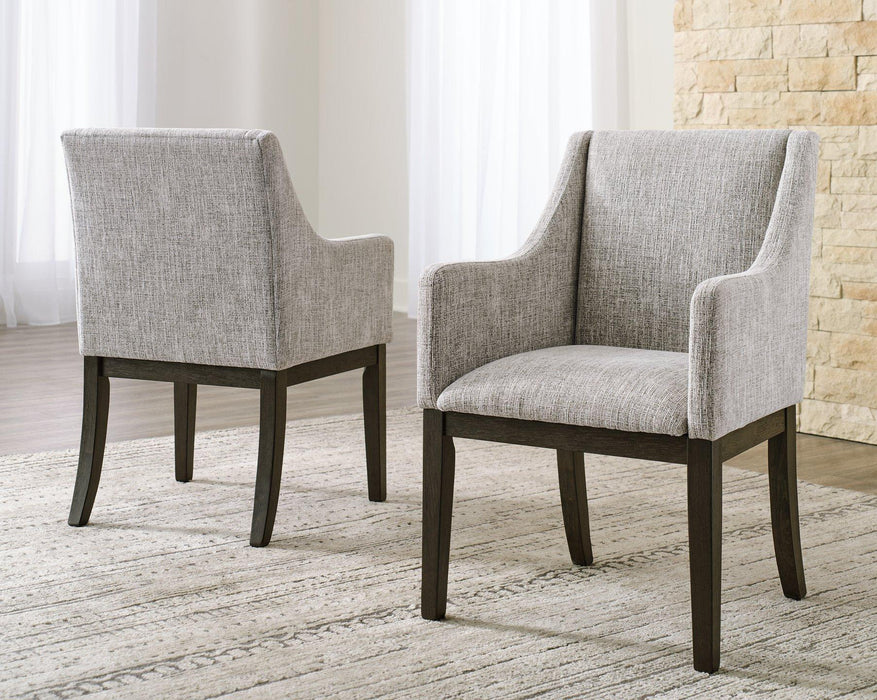
Armless chairs work better in tight spaces and allow quick in-and-out movement, helpful when someone needs to jump up to grab something from the kitchen. Reserve armchairs for table ends or larger dining rooms where the extra width won't block circulation.
You don't need a perfectly matching dining set. Many families choose one chair style for the sides and a different style (perhaps with arms) for the head positions. This adds character while maintaining a cohesive look. Just keep the seat heights consistent.
Strong corner joints that don't wobble
Stable legs with appropriate floor protectors
Fabrics that resist stains or accept slipcovers for washing
A construction that handles a teenager leaning back on two legs
Benches and corner units maximize seating along walls and under windows, a smart choice for family homes where floor space is at a premium.
A bench on one side of a rectangular table fits more kids than individual chairs and slides completely under the table when not in use. This frees up walking space and makes vacuuming easier. Benches also make it simple to squeeze in an extra child when a friend stays for dinner.
Upholstered banquettes or corner benches work beautifully in small dining nooks, breakfast corners, and open concept apartments. They create a cozy, restaurant-booth feel and use the corner space that might otherwise go empty.
Advantages:
Flexible seating for varying numbers of people
Space-saving when tucked under the table
Often more affordable than multiple chairs
Creates casual, family-friendly atmosphere
Disadvantages:
Less personal space per person
Getting in and out requires others to move
No back support on backless benches
Harder for elderly family members to use
Benches with lift-up seats provide hidden storage for table linens, kids' craft supplies, board games, or extra placemats. This keeps clutter off the table and within arm's reach for family meals.
Look for sturdy construction, rounded edges, and washable or wipeable cushions on any bench intended for daily family use.
Storage furniture near the dining table keeps daily clutter contained and makes family meals run more smoothly. Instead of piling placemats on the table or stacking games on a chair, everything has a home.
A sideboard or buffet can hold:
Every day, plates, bowls, and cutlery
Tablecloths and cloth napkins
School supplies for homework at the table
Board games and puzzles for family game nights
Serving pieces used for entertaining friends
Seasonal items like holiday table decorations
Before purchasing storage room furniture, measure the piece's depth and test whether doors and drawers can open fully without blocking chairs or walkways. In smaller dining areas, shallower pieces (35–40 cm deep) work better than standard buffet depths.
Closed storage fronts with solid doors hide mess and protect fragile items like wine glasses or special dishes from curious little hands. This practical approach keeps the dining area looking tidy even when life is chaotic.
Glass-front cabinets or open shelving work for decorative items, but place anything breakable on higher shelves out of children's reach.
Choose finishes and hardware that match or complement your dining table and chairs. This creates a cohesive look without requiring everything to be from the same collection. A sideboard in a similar wood tone with complementary metal handles ties the room together naturally.

In open concept homes where kitchen, dining, and living spaces flow together, additional seating zones support daily family life beyond the main dining table.
Counter stools at a kitchen island handle quick breakfasts, after-school snacks, and casual conversations while someone cooks. Kids often prefer perching here for a quick bite rather than sitting at the formal table.
Important measurements:
Counter-height surfaces (typically 90–95 cm) need stools with seat heights around 60–65 cm
Bar-height surfaces (typically 105–110 cm) need stools with seat heights around 75–80 cm
Always measure your specific counter before buying; assumptions lead to uncomfortable seating.
For family use, choose counter stools with:
Supportive backs (not backless) for children and adults who sit longer
Built-in footrests for comfort
Stable, weighted bases that resist tipping
Easy-to-wipe materials that handle sticky fingers and spills
Non-scratch floor protectors
A small bar area or drink station near the dining room proves useful for weekend entertaining, setting up a coffee station, or creating a dedicated juice spot for older kids. Keep this zone simple and functional rather than elaborate.
A well-chosen dining set is the finishing touch that brings your dining room together, transforming it from a collection of individual pieces into a welcoming, functional dining area. A dining set typically includes a dining table and a coordinated selection of chairs or benches, all designed to complement each other in both style and scale. This harmony not only makes your dining space look more polished but also ensures that everyone has comfortable seating for family dinners, homework sessions, or entertaining guests.
One of the biggest advantages of choosing a dining set is the ease of creating a unified look. With the table and chairs designed to work together, you don't have to worry about mismatched heights or clashing finishes. This makes it simple to achieve a balanced, inviting atmosphere in your dining room, whether your style leans modern, rustic, or somewhere in between.
When selecting the right dining set for your home, keep these essential tips in mind:
Consider your room size and layout: Make sure the dining set you choose will comfortably fit your dining area, leaving enough room for chairs to be pulled out and for people to move around with ease.
Think about seating capacity: Choose a set that can comfortably accommodate your family members, with a little extra space for guests or growing families.
Match your lifestyle: Look for durable materials and finishes that can handle daily use, from quick breakfasts to family celebrations.
Coordinate with your décor: Select a dining set that complements your existing room furniture and overall interior design, creating a seamless flow throughout your home.
Make an informed decision: Take the time to compare different dining sets, considering factors like table shape, chair comfort, and the flexibility to add extra seating if needed.
Remember, a dining set provides the perfect foundation for your dining room, but you can always personalize the space with your own taste, think colorful cushions, unique centerpieces, or a statement rug. By following these essential tips, you'll be well on your way to finding the right dining set that makes every meal more enjoyable and your dining area truly feel like the heart of your home.
Style matters, but for family dining room furniture, practicality comes first. The most beautiful table in the world becomes a frustration if every fingerprint shows or every spill threatens permanent damage.
When considering style and color, it's helpful to compare options from reputable retailers known for quality and design, such as Pottery Barn. Brands like Pottery Barn offer a wide range of dining tables, making it easier to find a style that fits your family's needs.
The ideal dining table should also be visually appealing enough that everyone looks forward to gathering around it.
|
Style |
Materials |
Best Features for Families |
|---|---|---|
|
Modern |
Metal, Glass, lacquer |
Clean lines, easy to wipe |
|
Casual/Contemporary |
Mixed woods, upholstery |
Comfortable, forgiving finishes |
|
Rustic/Farmhouse |
Distressed wood, natural textures |
Hides wear, ages gracefully |
|
Minimal |
Simple shapes, neutral tones |
Less visual clutter |
Mid-tone woods and textured fabrics hide crumbs, fingerprints, and minor scratches better than very dark or very light finishes. A medium oak table shows less daily wear than either ebony or whitewashed options.
In open concept spaces, coordinate your dining set with the adjoining living room or kitchen color palette. This creates visual calm and makes the combined space feel intentional rather than disjointed.
Choose classic silhouettes over very trendy designs. That ultra-modern table might feel dated in five years, while a well-proportioned wood table with clean lines remains appealing through multiple room repaints and décor changes. Your own taste can still shine through accessories, textiles, and wall art.
Smart families choose core furniture that stays, while accessories change:
Table linens in seasonal colors
Chair cushions that can be swapped
Centerpieces and table décor
Wall art and lighting fixtures
This approach lets your dining room evolve with your family without requiring expensive furniture replacement.
Buying dining room furniture isn't just about what works today; it's about what will work through the next 5–10 years of family life. Children grow, needs change, and furniture that seemed perfect for a family of three might feel cramped when a fourth arrives.
Think ahead:
High chairs convert to booster seats, then to regular chairs
Teenagers need more elbow room than toddlers
Aging relatives visiting may need stable chairs with arms
Work-from-home trends mean the table might double as an office
Extendable tables and additional chairs stored in a closet provide flexibility without cluttering daily life.
For homes with young children:
Prioritize rounded corners over sharp edges
Choose tables and chairs with stable, weighted bases that resist tipping
Avoid Glass if children frequently run through the dining space
Ensure all finishes are non-toxic and sealed properly
Check that any extendable mechanisms lock securely
Quality materials represent a higher upfront cost but superior long-term value. A solid wood table that can be refinished outlasts cheaper alternatives that wear out within a few years. Industry experts recommend investing in quality materials that age gracefully rather than planning for frequent replacements.
Consider furniture that can be disassembled and moved if your family changes homes or rearranges rooms. Heavy one-piece tables become problematic when life requires flexibility.
Well-chosen dining room furniture can handle daily life, host celebrations, and adapt as your family grows. Focus on durability, flexibility, and comfort now, and your perfect dining table today becomes the gathering place for thousands of future family meals.

A well-chosen dining room furniture set helps bring comfort, balance, and function to your dining space. Whether you use your dining room for daily meals or special gatherings, having a matching table and seating makes the space feel more organized and inviting. Comfort Furniture offers dining room furniture sets designed for everyday use, with a focus on comfort, durability, and easy coordination.
Explore our dining room furniture set collection to find options that fit your room size, style, and lifestyle. From casual dining spaces to more formal setups, choosing the right set can help make every meal more comfortable and enjoyable.
Delivery
Check what it costs to get this order to your door.