We Deliver Comfort
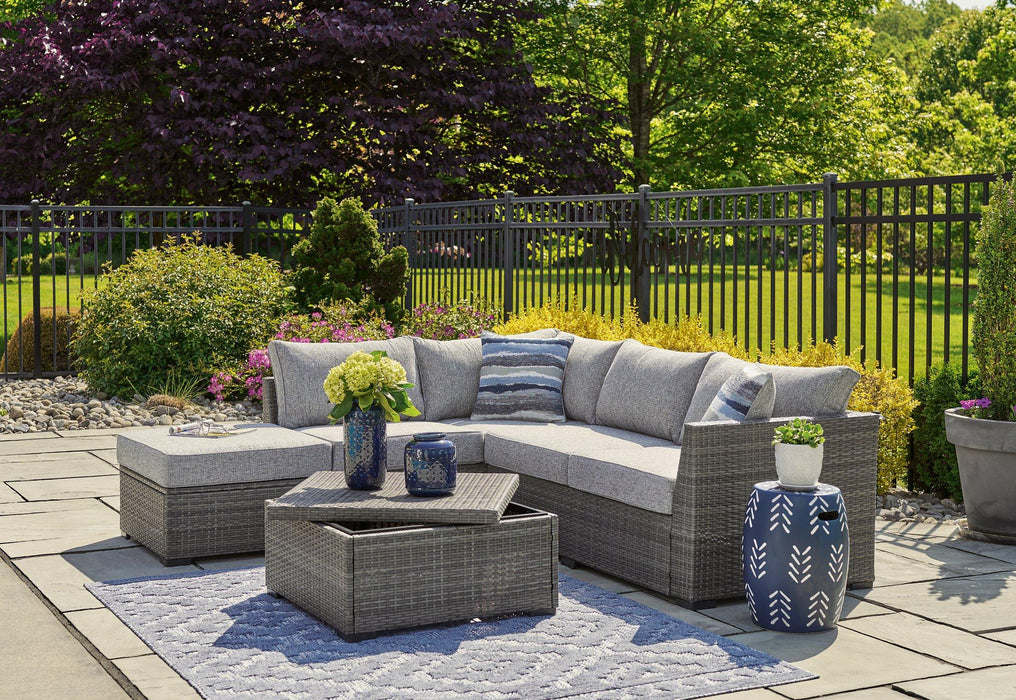
That beautiful dining set you bought last spring is already showing rust spots. The cushions faded to a washed-out gray by August. And those wicker chairs? They started unraveling before the first frost hit. If this sounds familiar, you’re not alone, and the problem likely isn’t the furniture itself. It’s the mismatch between what you bought and where you live. Choosing the right outdoor furniture design and exploring suitable outdoor furniture options can help protect furniture, ensure materials resist rust, and prevent weather damage.
Outdoor furniture fails fastest when it clashes with your local climate. The intense sun of Arizona, the salt-laden breezes of coastal Maine, the relentless humidity of the Gulf Coast, and the freeze-thaw cycles of the Midwest each attack materials differently. Homeowners in these regions cannot simply buy the same patio furniture and expect identical results. A steel frame that lasts a decade in dry Nevada may rust through in under two years on a Florida beach.
Climate-appropriate choices reduce fading, rust, warping, and wobbling while saving you real money over five to ten years. Instead of replacing your outdoor space setup every couple of summers, the right outdoor furniture can serve you for a decade or longer with minimal maintenance. When considering outdoor furniture design, it’s important to balance aesthetic appeal with durability and practicality, and to explore the wide range of outdoor furniture options available for different climates. This article walks through key climate threats, the best materials for different regions, and practical maintenance strategies so you can buy once and actually enjoy your investment.

When it comes to creating an inviting outdoor space, selecting the right outdoor furniture is crucial. Outdoor furniture does more than just add visual appeal; it sets the tone for how you’ll use your patio, deck, or garden. The perfect outdoor furniture combines style, comfort, and the ability to withstand the elements, ensuring your investment lasts through changing seasons.
With so many options available, from sleek powder-coated aluminum to classic teak furniture, it’s important to look beyond just looks. Weather-resistant outdoor furniture is designed to handle harsh weather conditions, whether that means intense sun, heavy rain, or sudden temperature swings. Choosing pieces made from durable materials like powder-coated metals or dense hardwoods means less time worrying about damage and more time enjoying your outdoor space.
Ultimately, the right outdoor furniture should offer both weather resistance and minimal maintenance, allowing you to relax and entertain outdoors year after year. By focusing on quality materials and thoughtful design, you can create an outdoor area that’s as functional as it is beautiful, no matter what the weather brings.
The same lounge chairs behave completely differently in Phoenix, Seattle, and Miami. In Phoenix, UV intensity and exposure to UV rays can bleach fabrics within a single summer, as UV rays are a primary cause of fabric fading and material breakdown. In Seattle, constant moisture encourages mold on wood surfaces. In Miami, humidity and salt combine to corrode metal frames that would otherwise last years in drier regions.
Non-matched furniture commonly fails in predictable ways. Fabrics fade to unrecognizable colors after one season of intense sunlight. Steel frames develop rust within one to two years in humid or coastal environments. Wood cracks and splinters after just a few freeze-thaw winters in cold climates. Extreme temperatures, both hot and cold, can cause materials to crack, warp, or deteriorate, making it crucial to select materials that can withstand these fluctuations. Natural wicker can splinter 30-50% faster in frosty conditions compared to synthetic alternatives.
Here’s what the numbers show: weather-resistant outdoor furniture selected for its specific environment can last 8-15 years with proper care. Poorly chosen sets often need replacing in just 1-3 years. U.S. outdoor furniture replacement rates run around 25% annually, with weather damage as the primary culprit, costing consumers billions each year in avoidable replacements.
The consequences extend beyond your wallet. Weakened frames become safety hazards. A warped table can tip 15-20 degrees, risking injury. Mold growth releases volatile organic compounds that affect air quality. Selecting materials that resist rust is essential for longevity in humid or coastal climates. And an unattractive, mismatched patio diminishes both your enjoyment and your property’s visual appeal.
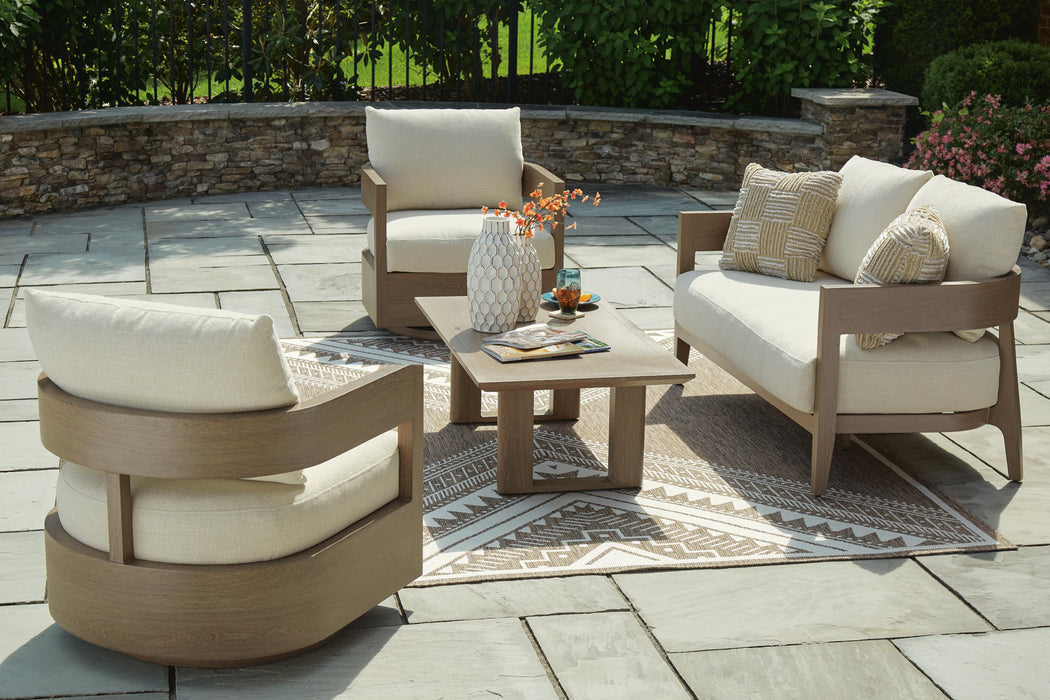
No climate is truly gentle on outdoor patio furniture. Every region brings its own primary threat: UV radiation, moisture, salt, temperature swings, or wind. Understanding which threats dominate your area is the first step toward selecting outdoor furniture that actually survives. Weather-resistant furniture is specifically engineered to withstand these threats and protect furniture from premature deterioration.
UV Radiation
High UV exposure in places like Arizona, Nevada, and southern Florida breaks down materials through photolysis, which literally breaks polymer bonds at the molecular level. Fabrics bleach. Plastics become brittle. Dark metals absorb so much heat that they become untouchable. In these regions, materials need built-in UV protection or natural resistance like teak wood’s tannins, which absorb over 95% of UVB rays.
Moisture and Humidity
The Pacific Northwest sees rain for months on end. Gulf Coast humidity regularly exceeds 80-90%. These conditions drive mold growth, wood rot, and metal corrosion within just a few seasons. Porous woods can absorb up to 20% of their weight in water, and fungal growth accelerates above 20% moisture content. Humid climates in places like Atlanta can cause 10-15% annual deterioration in untreated natural rattan.
Temperature Swings
Regions with freeze-thaw cycles, the Midwest, Northeast, and mountain areas, present a particular challenge. Water trapped in joints or porous materials expands as it freezes, cracking frames and loosening hardware. Natural materials and thin plastics suffer most, while durable materials like aluminum and dense hardwoods handle these cycles without deforming.
Wind Exposure
Rooftops, open plains, and coastal decks face regular gusts that can flip lightweight furniture, sending pieces crashing into walls or over railings. Heavy, broad-based designs resist tipping, while umbrella attachments and open-backed chairs reduce the “sail effect” that catches wind.
Salt Air
Coastal environments accelerate corrosion dramatically. Salt spray deposits chloride ions that attack metals aggressively. Standard steel can show rust within 200 hours of salt exposure, while marine-grade materials resist degradation for over 1,000 hours. Within 12-24 months, cheap metal frames near the ocean often show visible pitting and rust streaks.
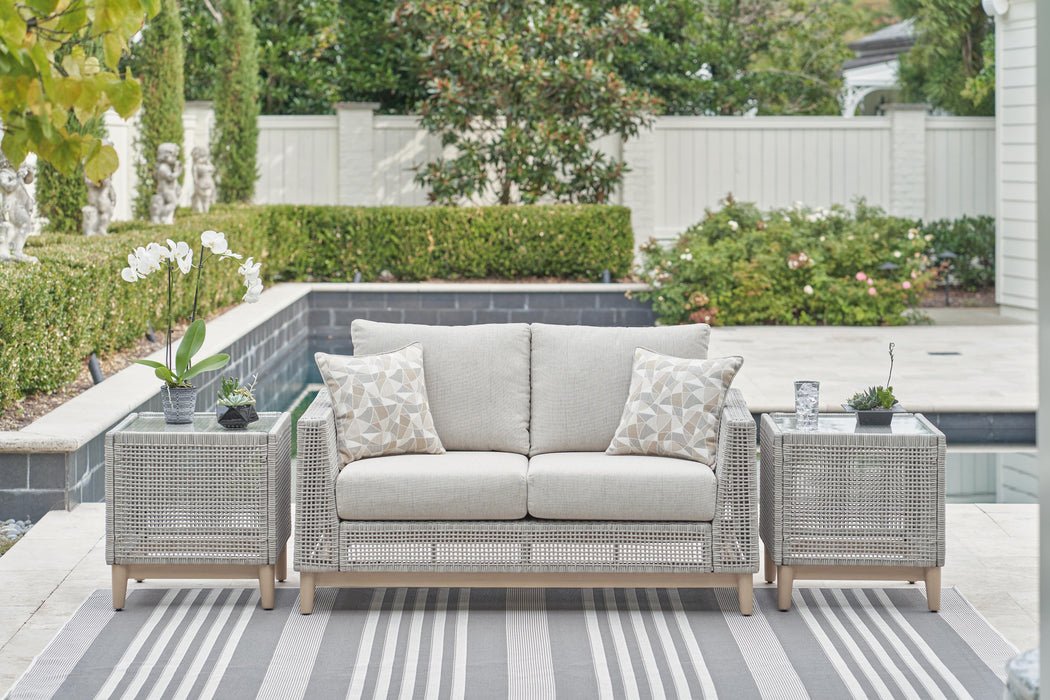
Some outdoor furniture materials excel almost anywhere. Teak furniture, high-density polyethylene lumber, and powder-coated aluminum consistently perform across diverse conditions. Others are highly climate-specific, great in one region, disastrous in another.
When evaluating furniture materials, remember that quality matters within each category. Kiln-dried Grade-A teak with its dense grain structure and 5-10% natural oil content dramatically outperforms generic softwood. UV-stabilized resin wicker beats bargain plastic that cracks within months. The same material name can mean very different lifespans depending on manufacturing quality. For example, all-weather wicker is a synthetic wicker material specifically designed for outdoor environments, offering superior durability, UV resistance, and moisture resistance compared to natural wicker. Wicker furniture, whether natural or synthetic, should be chosen based on climate suitability and paired with weather-resistant cushions for optimal outdoor use.
Prioritize frame material first, then fabrics and cushions. The frame is the skeleton, the hardest and most expensive to replace. A quality frame with replaceable cushions will serve you far longer than a cheap frame with premium fabrics. Teak wood is a premium choice for outdoor furniture frames, as it is highly resistant to moisture, insects, and UV rays due to its natural oils.

Desert and high-sun regions like the American Southwest from May through September bring intense UV exposure, wide temperature swings during the day, and very low humidity. These conditions demand materials that shrug off relentless sun exposure. Intense UV rays fade fabrics and break down plastic and resin materials, while extreme heat can make metal seats unusable.
UV-stable materials perform best here. Powder-coated aluminum resists both UV degradation and extreme heat. High-density polyethylene lumber, often made from recycled materials, won’t fade or crack. Dense hardwoods like teak and eucalyptus contain natural oils that provide built-in sun protection.
Light-colored metal frames and fabrics stay cooler to the touch. Dark metal surfaces and glass-topped tables can become uncomfortably hot, reaching temperatures that make them unusable during peak afternoon hours.
Avoid cheap, thin plastics and low-grade wicker in these conditions. They become brittle and crack within one to two summers. Quality synthetic wicker with UV stabilizers limits fading to less than 5% after 1,000 hours of direct sun exposure; bargain versions can fade completely in a fraction of that time.
Consider adding shade structures like pergolas or umbrellas to extend furniture life further. For cushions and outdoor fabrics, weather-resistant fabrics like solution-dyed acrylics are UV-resistant, water-repellent, and mold-resistant, making them ideal for outdoor use in sunny climates. Solution-dyed acrylics like Sunbrella are the preferred choice for color retention in high-sun environments. Solution-dyed acrylic or polyester fabrics resist fading far better than standard materials. Olefin fabrics retain 90% of their color vibrancy after 500 hours of testing.
Gulf Coast states, the Pacific Northwest, and tropical regions share common challenges: frequent rain, high humidity, slow drying conditions, and aggressive mold growth. Materials must resist moisture penetration rather than simply shedding water. In humid climates, materials like synthetic resin and aluminum are preferred for their moisture resistance and durability.
Resin wicker on aluminum frames performs excellently in these conditions. High-density polyethylene lumber absorbs under 0.1% moisture, essentially impervious. Well-finished dense woods with natural water-repelling properties resist rot and insects that thrive in wet environments.
Quick-dry cushions, mesh panels, and slatted surfaces allow water to drain rather than pool. Flat tabletops without drainage become collecting points for standing water, accelerating degradation.
Avoid untreated wood furniture in these climates. Natural wicker absorbs water readily and breaks down quickly. Synthetic resin wicker is a superior alternative, as it is designed specifically for outdoor use and provides greater strength and better resistance to moisture and fading compared to natural wicker. Any design that traps moisture, solid seats, enclosed bases, or non-draining surfaces will promote mold and mildew.
Breathable protective covers help when furniture isn’t in use. Periodic disinfecting washes combat mold before it establishes. Elevated furniture raised slightly off the ground improves air circulation underneath, helping everything dry faster.
Northern Midwest states, interior Northeast, and mountain regions experience long winters with sub-freezing temperatures, heavy snow loads, and repeated freeze-thaw cycles. Materials must handle ice formation within joints and resist cracking at low temperatures. Outdoor furniture in these regions must also withstand extreme temperatures, which can cause cracking and other damage if materials are not chosen carefully.
Kiln-dried teak handles cold climates exceptionally well; its natural oils solidify without making the wood brittle. High-density polyethylene lumber doesn’t absorb water, so there’s nothing to freeze and expand. HDPE lumber is also highly resistant to moisture, salt, and UV rays, making it ideal for use in areas exposed to snow and freeze-thaw cycles. Sturdy powder-coated aluminum maintains its ductility in cold, preventing the shattering that can affect rigid materials. Heavy stone or concrete tables resist both temperature extremes and snow weight.
Synthetic wicker made from polyethylene endures temperatures down to -40°F without cracking, thanks to flexible polymer chains. Compare this to natural wicker, which can splinter dramatically in frost.
Porous or thin plastics and cheap steel frames often fail in cold climates. Water freezes inside hollow tubing or joints, expanding and cracking the material. By spring, what looked fine in autumn may be structurally compromised.
Design features matter too. Look for removable cushions, stackable or foldable chairs, and pieces lightweight enough to move into a garage or shed for winter storage. Breathable furniture covers protect pieces left outside, and annual inspection each spring catches coating damage or loose hardware before it becomes a larger problem.
Coastal climates combine salt air, constant breezes, and often high humidity, a triple threat that accelerates deterioration. Large lakeside properties face similar wind and moisture challenges, though usually without the salt.
Corrosion-resistant materials are non-negotiable in coastal environments. High-density polyethylene lumber handles salt exposure up to 35,000 ppm, essentially seawater concentrations. High-quality stainless steel hardware resists corrosion far better than standard zinc-plated fasteners. Well-finished aluminum furniture with powder coating survives where ordinary steel fails.
Synthetic wicker over aluminum frames and solution-dyed fabrics with mildew-resistant treatments perform reliably near water. The combination provides rust-resistant frames with comfortable seating that handles splashes and salt equally well.
Low-grade hardware, cheap steel fasteners, and thin protective coatings show rust streaks and pitting within the first one to two years in salty environments. What passes for adequate inland becomes a visible failure at the coast.
Maintenance habits make a difference here. Rinse salt off frames and fabrics with fresh water at least monthly during the season. Check metal fixings twice yearly for early signs of corrosion. Catching problems early prevents expensive replacements.
Temperate climates with four distinct seasons, much of the Mid-Atlantic, Pacific Northwest inland areas, and Northern Europe, present moderate but varied conditions. The right outdoor furniture here needs to handle some sun, some rain, occasional frosts, and moderate wind without excelling at any single extreme.
Homeowners in these regions need all-around materials. Powder-coated aluminum offers lightweight durability across conditions. Dense hardwoods like teak balance moisture resistance with cold tolerance. Resin wicker provides comfort and weather resistance without demanding specialized care. Weather-resistant furniture is especially valuable in regions with mixed weather patterns, as it prolongs product life and reduces maintenance needs.
Strategic storage and quality furniture covers extend lifespan significantly in these climates. The furniture doesn’t face Arizona sun or Maine salt year-round, but it does experience cumulative exposure to everything.
Consider your exact exposure within the property. Open roof decks versus covered patios face very different conditions. Covered patios allow lighter, more decorative pieces; exposed decks demand heavier frames with stronger weather resistance.
A practical approach: combine heavier tables with somewhat lighter chairs. The table anchors the space and resists wind, while chairs can be moved or stored as seasons change. The lightweight nature of materials like aluminum and resin wicker makes them easy to rearrange or store as needed. Lounge chairs on wheels simplify repositioning as sun angles shift throughout the year.
Even the perfect outdoor furniture frame fails the comfort test if cushions develop mold, stay soggy for days, or fade to nothing within a year. Fabric and cushion choices matter nearly as much as frame materials.
Performance fabrics like solution-dyed acrylic and polyester resist UV fading far better than standard indoor fabrics. Weather-resistant fabrics like solution-dyed acrylics are UV-resistant, water-repellent, and mold-resistant, making them ideal for outdoor use. The dye penetrates fibers completely rather than sitting on the surface, so even as the outer layer wears, the color remains consistent.
Quick-dry foam and ventilated cushion construction make the difference between comfort and frustration in rainy and humid climates. Traditional closed-cell foam traps water for days. Reticulated foam drains within hours.
UV rays are a primary factor in fabric fading and material brittleness, causing breakdown of both fabric and foam over time. UV-resistant textiles and protective finishes help prevent furniture from becoming brittle or losing color over time.
Design features actively manage water in well-engineered outdoor cushions. Slatted seats prevent pooling. Mesh sling chairs eliminate fabric saturation entirely. Raised feet improve airflow underneath. Drainage holes under cushions release trapped moisture.
In extremely wet or poolside outdoor settings, sling or mesh seating with minimal padding often outperforms thick cushions for daily practicality. You sacrifice some plushness but gain furniture that’s always ready to use.
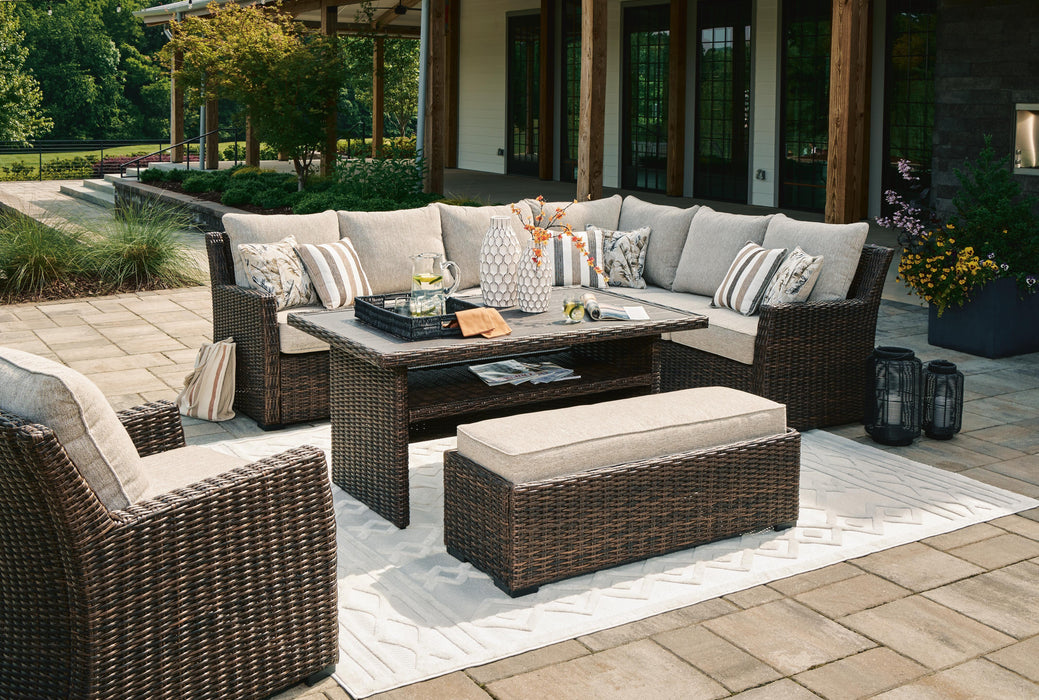
Intense sun demands high UV resistance above all else. Solution-dyed fabrics should be the priority for south-facing decks and desert climates. These fabrics maintain color vibrancy while cheaper alternatives fade to shadows of their original appearance.
Humid areas benefit from fabrics treated against mold and mildew. Look for removable covers that allow regular washing. Fighting mold is easier when you can throw covers in a washing machine periodically.
Color choice involves tradeoffs. Lighter colors stay cooler in direct sunlight but show dirt, pollen, and stains more readily. Medium to darker hues conceal everyday grime but may heat up faster under intense sun. Match your choice to your primary concern.
Check labels or product descriptions for specific ratings. UV ratings, colorfastness hours, and year-round outdoor use certifications distinguish quality outdoor fabrics from indoor fabrics marketed for occasional outdoor use. The difference shows within months.
For high-use items like dining chairs in climates with long outdoor seasons, consider keeping a small set of backup covers. Rotating covers extends overall lifespan and gives you options when one set needs washing.
Traditional indoor foam absorbs water and holds it, sometimes for days in humid conditions. This makes it completely unsuitable for rainy or coastal environments where outdoor cushions may get wet frequently.
Reticulated or quick-dry foam cores solve this problem in rainy or humid climates. Water flows through the open-cell structure rather than being absorbed, and cushions dry within hours rather than days. The difference in usability is dramatic.
In very dry climates, cushion drying becomes less of a concern. However, UV breakdown of foam and fabric remains an issue. Even dry heat degrades materials over time, though the failure mode is cracking and brittleness rather than mold.
Look for mesh panels or hidden vents at cushion bottoms or sides. These promote airflow and prevent the musty odors that develop when any trapped moisture can’t escape. Quality synthetic materials and good ventilation work together.
Removable, zippered covers simplify seasonal deep cleaning. They also allow cover replacement without buying entirely new cushions, often a more economical approach when frames and foam cores remain in good condition.
Wind patterns create microclimates within your property that significantly affect furniture survival. High-rise balconies, rooftops, and open coastal decks experience gusts that sheltered patios never see. Lightweight furniture in these spots becomes a projectile during storms.
Heavier materials, such as stone, concrete, dense wood furniture, and wrought iron furniture, resist tipping and sliding during gusts. Steel frames and cast aluminum provide stability without the extreme weight of stone. Heavy-duty powder-coated steel and wrought iron are especially suitable for windy areas due to their weight and stability. In contrast, the lightweight nature of materials like aluminum and resin wicker makes them easy to move, rearrange, or store, but they are less stable in high winds and can flip in moderate gusts.
Use heavier tables and wide-based seating in exposed spots. Reserve very lightweight folding pieces for sheltered patios and protected balconies where wind simply isn’t a factor. The right outdoor furniture matches not just regional climate but your specific site conditions.
Wind-friendly design reduces problems further. Vented umbrellas allow air to pass through rather than catching like sails. Open-backed chairs reduce wind resistance. Low-profile lounges present less surface area to gusts than tall-backed designs.
Plan layouts strategically. Position the heaviest pieces to buffer the windward side of your outdoor living spaces. Keep lighter items where they can be quickly moved or secured before storms arrive. A few minutes of preparation prevent damage that takes weeks to repair.
Simple routines, covering, cleaning, and off-season storage, can double the lifespan of properly chosen durable patio furniture. The specifics should match your local conditions rather than following generic advice. Regular maintenance and the use of protective covers are essential to protect furniture from dirt, moisture, mold, and UV damage, ensuring it remains functional and attractive for years.
Maintenance frequency varies by climate:
Coastal areas: Rinse furniture monthly with fresh water to remove salt deposits
Humid climates: Check for mold growth bi-weekly during wet seasons
Cold climates: Conduct thorough spring inspections after the snow season
Hot climates: Check UV damage and coating integrity mid-summer
Breathable protective covers allow moisture to escape while blocking rain and debris. Non-breathable covers trap condensation underneath, creating the mold-friendly conditions you’re trying to prevent. Quality covers pay for itself in extended furniture life. Using breathable protective covers from late October through early April is especially helpful for protecting outdoor furniture in coastal environments.
Storage strategies depend on your situation:
Bring outdoor cushions indoors or store them in a dry location during long, wet or cold stretches or off-season months to prolong their life
Stack chairs to minimize storage footprint
Use sheds or garages in regions with harsh winters
Even covered patios benefit from additional protection in extreme weather conditions
Climate-specific maintenance outperforms generic care routines. Oiling hardwoods lightly prevents cracking in arid conditions. Cleaning mildew takes priority in tropical zones. Focus your effort where your climate creates the most risk.

A climate-aware maintenance schedule keeps your best patio furniture looking and functioning well year after year.
Pre-Season (Spring)
Inspect all metal frames for corrosion, rust spots, or coating damage
Check wood furniture for cracks, warping, or signs of rot
Examine all fasteners and tighten any that loosened over the winter
Wash all outdoor fabrics with mild soap and water
Test cushion cores for mold or mildew odors
Replace any compromised hardware before the heavy-use season
High Season (Summer)
Quick monthly cleaning with mild soap and water removes pollen and grime
Rinse salt deposits weekly in coastal environments
Check covers and umbrellas for damage after any severe storms or seasonal weather events
Spot-treat stains before they set permanently
Verify that furniture feet and joints remain stable
End-of-Season (Fall or Start of Dry Season)
Deep clean all surfaces thoroughly
Fully dry all cushions before storing, even slight dampness promotes mold
Apply protective oils to hardwoods if your climate is dry
Touch up any coating damage on metal surfaces
Store cushions indoors or in weather-tight containers
Cover or store frames according to local winter or monsoon patterns
Combine these steps with your particular climate threats for a tailored care plan. A coastal homeowner focuses on salt removal; a Midwest homeowner prioritizes freeze protection. The framework stays the same, but emphasis shifts.
Climate-matched durable outdoor furniture often costs more upfront. This creates hesitation at the register. But the math changes completely when you factor in replacement cycles.
Consider concrete comparisons:
|
Furniture Type |
Coastal Climate Lifespan |
Proper Match Cost |
Replacement Cycles (10 years) |
|---|---|---|---|
|
Budget steel set |
1-3 years |
Lower |
3-7 replacements |
|
Quality aluminum/HDPE set |
8-12 years |
Higher |
1 replacement or none |
The higher upfront cost often means lower total cost over a decade. Mismatched furniture in humid zones fails 40-60% faster than appropriate selections. That means more frequent purchases, more disposal hassle, and more time spent shopping instead of relaxing.
Hidden savings add up:
Less time spent on repairs and touch-ups
Fewer emergency replacements after storms damage weakened furniture
Reduced landfill waste from discarded broken pieces
Lower frustration from furniture that looks worn after one season
Prioritize frame quality, weather-resistant materials, and reliable hardware over extra accessories. A quality frame with weather-appropriate fabrics serves you far longer than a cheap frame loaded with premium-looking cushions that won’t last.
The aesthetic appeal of well-maintained furniture also contributes to property value. Outdoor living spaces that look inviting and cohesive improve overall impressions. Shabby, mismatched patios do the opposite.
Designing the perfect outdoor space is about more than just picking out a few chairs and a table; it’s about creating a comfortable, functional area that reflects your lifestyle and stands up to your local weather conditions. The right outdoor furniture can transform your patio or backyard into a true extension of your home, ideal for everything from quiet mornings to lively gatherings.
When selecting outdoor furniture, start by considering your climate. For coastal areas, look for patio furniture made from materials that resist rust, such as aluminum frames or wooden furniture treated with natural oils. In cold climates, protective covers are essential for shielding your investment from snow and ice, while durable patio furniture like aluminum furniture can handle intense sun exposure and sudden temperature drops.
Think about how you’ll use your outdoor space. Do you need lounge chairs for sunbathing, a dining set for family meals, or a cozy nook for reading? By choosing the right outdoor furniture for your needs and environment, you’ll create a space that’s both inviting and resilient. Durable materials and smart design choices mean your outdoor living area will remain comfortable and attractive, even after years of sun, rain, or frost.
With a little planning and the right outdoor furniture, your patio or garden can become a favorite spot for relaxation, entertainment, and enjoying the outdoors, no matter what the weather has in store.
Ready to make your selection? Here’s a practical summary that pulls together everything covered above.
Step 1: Identify Your Primary Climate Threats
Review local weather patterns from the last one to two years. Is your main challenge hot and high UV with little rain? Humid, rainy, and occasionally windy? Cold with freeze-thaw cycles? Coastal with salt exposure? Most regions have one or two dominant threats; focus on those.
Step 2: Choose Frame Materials That Address Those Threats
When evaluating outdoor furniture options, consider the variety of materials available and how they perform in your climate. Opt for weather-resistant furniture designed to withstand your region’s specific environmental conditions.
|
Primary Threat |
Recommended Frame Materials |
|---|---|
|
High UV/intense sunlight |
Powder-coated aluminum, HDPE, teak |
|
Humidity/rain |
Resin wicker on aluminum, HDPE, treated hardwoods |
|
Freeze-thaw/cold climates |
HDPE, aluminum, dense hardwoods |
|
Coastal/salt exposure |
HDPE, stainless hardware, marine-grade aluminum |
|
Mixed/temperate |
Powder-coated aluminum, teak, quality synthetic wicker |
Step 3: Select Fabrics and Cushions for Your Moisture and Sun Levels
High sun exposure demands solution-dyed, UV-resistant fabrics. High moisture demands quick-dry foam and mildew-resistant treatments. Match materials to your specific combination of threats.
Step 4: Consider Weight and Layout
How exposed is your outdoor space to wind? How easily do you need to move pieces? Open rooftops and coastal decks need heavier, broader-based options. Sheltered patios can accommodate lightweight furniture and folding pieces.
Step 5: Plan Storage and Maintenance Before You Buy
Ensure you have space for off-season protection, whether that’s indoor storage, a shed, or quality furniture covers. To protect furniture from dirt, moisture, and UV damage, always use proper covers and consider fabric protectors. The best outdoor furniture choices factor in realistic maintenance from the start.
Choosing outdoor furniture for your climate isn’t just about avoiding problems; it’s about creating outdoor settings you’ll genuinely enjoy for years. Treat your outdoor space as a long-term extension of your home. Make climate-smart decisions now, and you’ll spend your time relaxing on the patio rather than shopping for replacements.
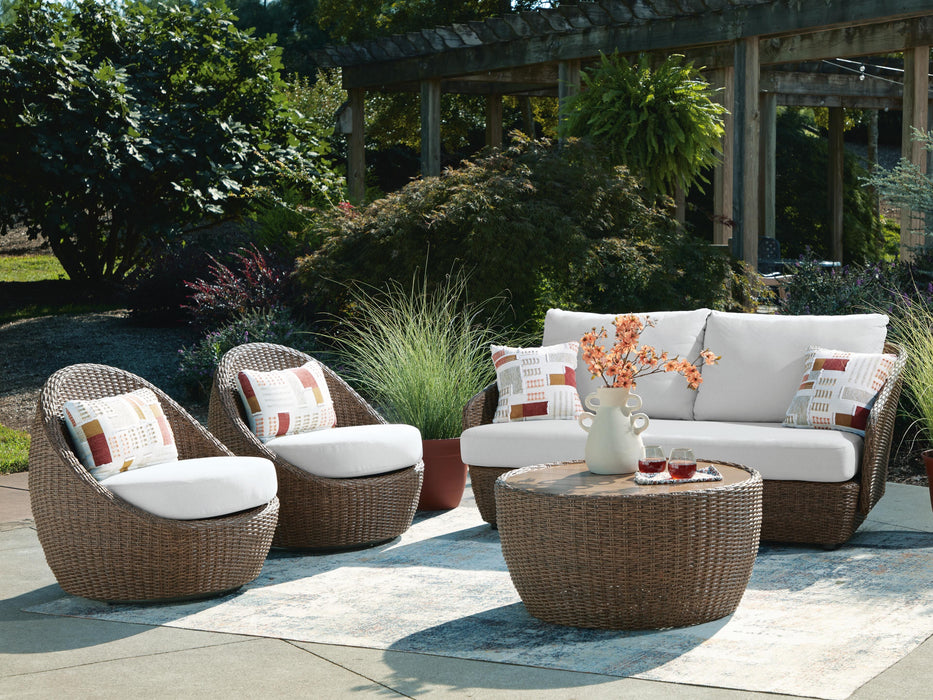
Your outdoor space should be a place where you can relax, gather, and enjoy the fresh air. At Comfort Furniture, our outdoor furniture collection includes durable seating, dining sets, and lounge pieces designed for comfort and everyday outdoor use. Each piece is built to handle the elements while helping you create an inviting and functional outdoor area.
Explore our outdoor furniture selection today and find the right pieces for your patio, deck, or backyard. Whether you’re setting up a small outdoor space or furnishing a larger area for entertaining, Comfort Furniture offers options that make outdoor living more comfortable and enjoyable.
Delivery
Check what it costs to get this order to your door.